A home lift is a compact vertical platform or cabin that moves between floors inside a residential property. The UK market now includes models from Stiltz, Aritco, Terry Lifts, PVE, and Pollock, each offering different sizes, drive systems, and price points to suit varied budgets and mobility needs.
Key Points
- Leading UK home lift brands include Stiltz, Aritco, Terry Lifts, and PVE, with prices ranging from £9,000 for entry-level models to £40,000+ for premium designs.
- Compact lifts require as little as 0.85m² of floor space, making them suitable for small houses, terraced properties, and installations within existing cupboards or stairwells.
- Running costs are minimal at approximately £15–£20 annually for electricity, plus £150–£300 for recommended yearly servicing.
- Through-floor and vacuum lifts require significantly less building work than traditional cabin lifts, with some self-supporting models needing no structural shaft construction.
Best Home Lifts in the UK at a Glance
Modern screw-and-nut drive systems have become the standard for UK retrofits because they need no machine room and can travel up to 15 metres—roughly six floors. Footprints range from around 0.85 square metres, similar to a small cupboard, up to 1.2 square metres for wheelchair-accessible designs. If you need a mobility-specific model, expect a minimum cabin size of about one metre by 1.2 metres.
Space is a critical factor when installing a home lift, and pitless, shaftless designs now fit where older hydraulic systems never could. Energy consumption on most units matches a kettle or hairdryer, keeping running costs low. Prices span from budget through-floor models around £10,000 to premium glass-cabin installations exceeding £40,000.
Best UK Home Lift Companies
A home lift is a motorised platform or cabin that moves people between floors inside a residential property. The best UK home lift companies combine compact engineering, flexible installation options, and safety features suited to British housing stock.
Choosing the right supplier depends on your property type, available space, and household needs. Below are seven providers worth considering.
Stiltz uses a dual-rail system that requires no load-bearing walls and fits into a floor area as small as 880mm by 965mm. The design works well in corner positions and can be installed without a pit or separate shaft, making it popular for retrofits in older homes.
Aritco offers Scandinavian-designed cabin lifts with a focus on materials and finish. Their units suit homeowners looking for a lift that doubles as an architectural feature. Models require a shallow pit or ramp, so they work best in properties where minor groundwork is feasible.
Terry Lifts specialises in through-floor lifts designed for accessibility. Their products sit within an enclosed structure that travels between two storeys. Installation is straightforward in timber-frame buildings because the lift does not rely on the surrounding walls for support.
PVE (Pneumatic Vacuum Elevators) uses air pressure rather than cables or hydraulics. The cylindrical cabin rises when a vacuum is created above it. No pit or machine room is needed, which keeps structural changes minimal.
Pollock Lifts focuses on bespoke builds for properties with unusual layouts or listed-building restrictions. Custom cab sizes and finishes are standard, though lead times can be longer.
Anglian Lifts operates as an independent installer, fitting products from several manufacturers. This flexibility allows them to recommend the best match for each project rather than pushing a single brand.
Swift Lifts targets narrow terraced houses where floor space is limited. Some models occupy under 0.85 square metres, which suits homes without a spare cupboard or hallway to sacrifice.
Modern domestic lifts now incorporate hold-to-run controls—the user must keep the button pressed for the lift to move. This prevents accidental trips started by curious children or pets. Obstruction sensors add another layer, halting travel if an object blocks the door or platform edge.
Types of Home Lift
Home lifts fall into several distinct categories based on their drive systems and structural requirements. Understanding these differences helps you choose the right option for your living situation, mobility needs, and budget.
Through-floor lifts require minimal building work and fit neatly between two floors. They travel through a small opening cut in the ceiling and floor, making them popular for older UK properties where major construction is impractical. Most models use a platform rather than an enclosed cabin, and they work well for people who can stand or transfer from a wheelchair.
Cabin lifts provide the traditional elevator experience with fully enclosed compartments, doors, and control panels inside. These need more space and structural support but offer greater comfort for daily use. They suit larger homes or new builds where architects can plan around the lift shaft from the start.
Platform lifts are designed specifically for wheelchair users. They feature low ramps or level entry points, safety barriers, and generous floor space for powered chairs. Many UK models meet accessibility regulations for both domestic and light commercial use.
Vacuum (pneumatic) lifts operate without cables, pulleys, or a traditional shaft. Air pressure moves a clear tube-shaped cabin between floors. These self-contained units offer 360-degree visibility, need no pit or machine room, and typically accommodate one to three passengers. Their modern appearance appeals to homeowners who want a visible design feature rather than a hidden utility.
Drive mechanisms also vary. Electric traction and eco drives have become the UK standard because they use up to 56 percent less power than hydraulic systems and avoid messy fluid tanks. Winding drum and counterweighted systems remain reliable choices for multi-storey retrofits in traditional homes.
Safety features differ too. Shaftless models rely on external sensors to detect children or pets, while many controls require continuous pressure to prevent accidental operation.
How Much Do Home Lifts Cost?
A home lift in the UK costs between £9,000 and £40,000 or more, depending on the type, number of floors, and finish level. Most homeowners spend somewhere in the middle of that range once installation is factored in.
Price tiers at a glance
Entry-level models sit between £9,000 and £12,000. These are typically compact platform lifts suited to single-storey travel. Mid-range cabin lifts range from £15,000 to £25,000 and offer enclosed cabins with more design options. Premium installations start around £30,000 and can exceed £40,000 when custom finishes, glass shafts, or multi-floor travel are involved.
Through-the-floor lifts
Through-the-floor lifts are the standard choice for UK retrofits because they pass directly between floors without needing a traditional load-bearing shaft. Expect to pay £15,000 to £30,000 for a fully installed unit. The final bill depends heavily on the structural work required—cutting an aperture through timber joists is usually cheaper and quicker than cutting through concrete.
VAT relief
If you have a qualifying long-term health condition or disability, you may be eligible for a 0% VAT rate on the supply and installation. That saving alone can knock £3,000 to £8,000 off the total, depending on the model. Ask the supplier for a VAT exemption declaration form before purchase.
Ongoing costs
Annual servicing typically runs £150 to £300. If the lift is used commercially or by care staff, LOLER inspections (Lifting Operations and Lifting Equipment Regulations) may apply, adding roughly £100 to £200 per year. Electricity use is modest—most domestic lifts cost only a few pounds a month to run.
Property value and Council Tax
Installing a lift can raise your home’s resale appeal, yet it will not push your property into a higher Council Tax band.
Best Home Lifts for Small Houses
The best home lifts for small houses balance minimal floor space with safe, reliable access between levels. For UK cottages, terraced homes, and period properties, screw-and-nut drive systems offer the most practical solution because they need no separate machine room and run quietly on standard household power.
Footprint benchmarks matter. The smallest compact lifts start at roughly 880 mm × 965 mm—about the size of a standard armchair. These ultra-compact models occupy around 0.85 m² of floor area, making them suitable for cupboard-to-cupboard installations that preserve original features in heritage buildings. A through-floor aperture, cut between two rooms or closets, lets the lift rise discreetly without altering period hallways or stairwells.
Self-supporting frames simplify installation. Modern screw-driven lifts bolt to the floor and ceiling rather than requiring a concrete shaft. This design works well in narrow Victorian layouts where structural changes are restricted. Some models can travel up to 15 metres, serving as many as six floors while keeping noise below conversational levels.
Wheelchair access needs more space. Most ultra-compact platforms are standing-room only and cannot fit a standard wheelchair or walking frame. If you need seated travel, look for a cabin measuring at least 1,000 mm × 1,400 mm.
Safety features to confirm: battery backup for power cuts, emergency lowering controls, and interior handrails. For anyone relying on the lift for daily mobility, these elements should be non-negotiable rather than optional upgrades.
What Size Home Lift Do I Need?
The right home lift size depends on who will use it, whether a wheelchair is involved, and how much space your property can accommodate. Most buyers fall into one of two categories: those needing a compact standing lift and those requiring a wheelchair-accessible cabin.
Standing lifts suit single users who can walk into the cabin. These typically measure around 600mm × 600mm internally and carry up to 225kg (roughly 500lb). At this capacity, safety standards usually limit the cabin floor area to about 1.1 square metres.
Wheelchair-accessible lifts need a larger cabin—at minimum 800mm × 1,250mm internally—to fit a standard manual wheelchair with the user seated. Powered chairs or bariatric models demand even more room, often 900mm × 1,400mm or greater.
Two measurements matter here: the footprint (floor space the lift occupies) and the aperture (the hole cut through your ceiling or floor). Timber-joist ceilings may require additional framing around the aperture, while concrete slabs need specialist cutting. Through-floor lifts without a traditional shaft often include exterior sensors to stop movement if pets or furniture block the path.
Outside the cabin, allow a turning circle of at least 1,500mm for wheelchair users to manoeuvre comfortably. If you’re planning travel across three or more floors, expect higher costs and more complex structural work than a standard two-floor installation.
How Many Floors Can a Home Lift Travel?
A home lift can typically travel between two and six floors, depending on its design and drive system. Most standard domestic lifts are built for single-floor travel—connecting a ground floor to a first floor, for example. Extended models handle three or more storeys, though manufacturers usually cap domestic units at around 12 to 15 metres of vertical travel, roughly five to six floors.
Beyond this height, the lift shifts from residential to commercial-grade engineering. Taller townhouses or larger properties often need hydraulic or traction systems with heavier-duty motors and reinforced guide rails originally designed for office buildings. This changeover raises both the purchase price and installation time significantly.
For wheelchair users, accessibility standards require a minimum cab depth of 51 inches and a door width of at least 36 inches. These dimensions stay constant regardless of travel distance, so a multi-floor lift still needs the same footprint as a two-storey model.
Period or listed homes present extra challenges. Machine-room-less (MRL) technology removes the need for a separate plant room, making taller installations practical where space is tight. Pneumatic vacuum lifts are another option—self-supporting and pitless—though they carry lower weight limits than hydraulic alternatives.
What Building Work Is Required?
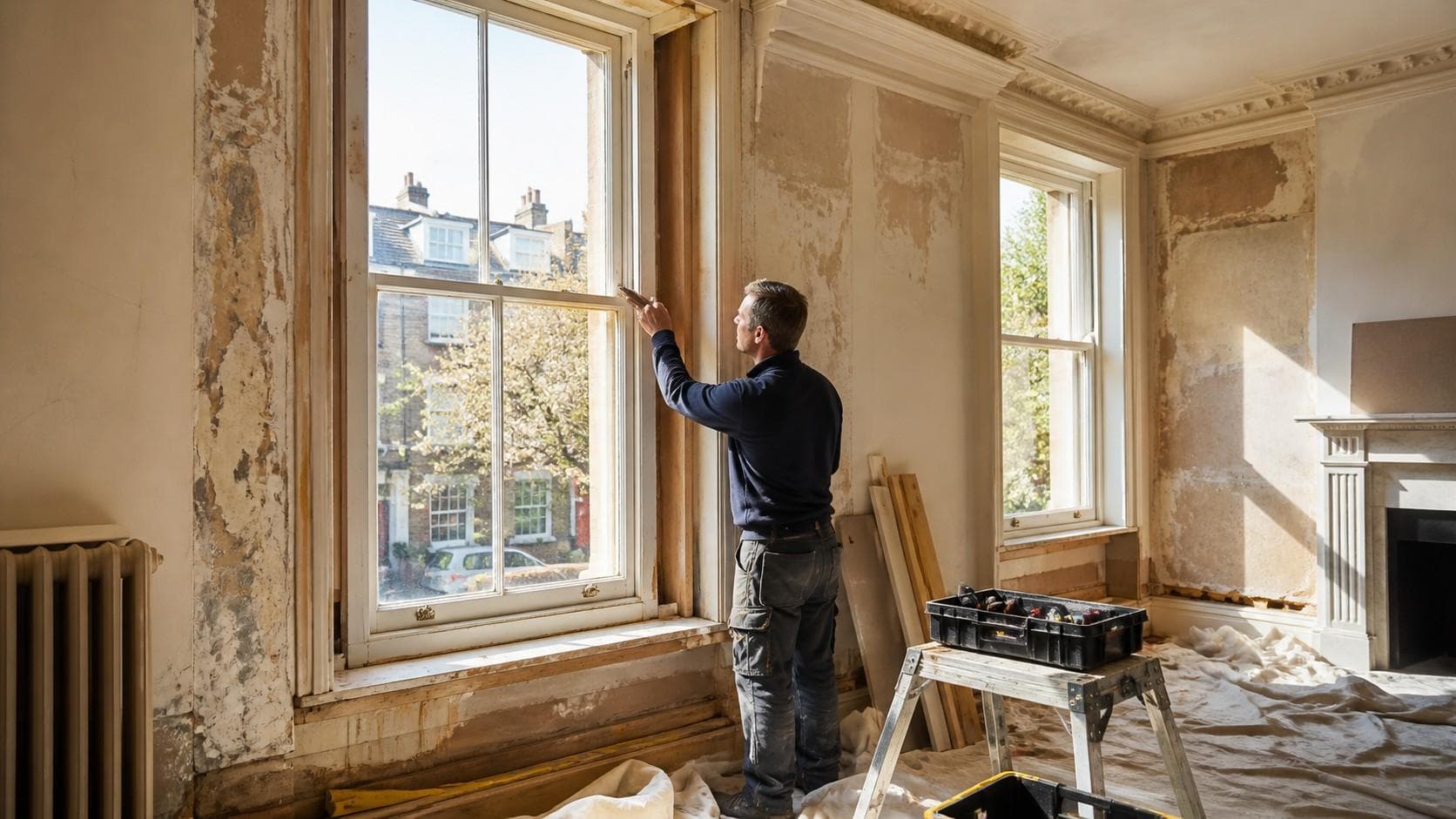
Building work for a domestic lift varies widely based on the lift type and your home’s structure. Most modern modular lifts need far less construction than you might expect, often requiring only a floor opening and minor reinforcement.
Before any work begins, a structural survey determines whether your floor joists can support the lift’s weight. Timber-frame homes may need additional bracing around the aperture, though compact lift footprints—sometimes as small as 85 cm by 80 cm—keep disruption to a minimum.
The main task involves cutting an aperture between floors. Through-floor lifts pass directly from one level to the next without a surrounding shaft, while shaft-enclosed models need a dedicated enclosure built around them. Home lift installation typically includes planning each of these steps from initial survey through to final electrical connection.
Headroom matters. UK ceilings usually sit at around 2.4 metres, which suits most modular designs. A minimum ceiling height of roughly 2,275 mm is often required; anything lower may mean raising the roof or lowering the floor.
Modern lifts also use pitless technology, so you rarely need to excavate a pit beneath the ground floor. Electrical demands are equally straightforward—a standard 13-amp socket powers many models, avoiding costly three-phase wiring upgrades.
How Much Does It Cost to Run a Home Lift?
Running a home lift is an ongoing expense that remains modest compared with traditional commercial elevators. Most residential lifts consume between 50 and 200 kWh of electricity each year, depending on the model and how often you use it. In practical terms, that translates to roughly £15–£20 annually—similar to running a small kitchen appliance.
Annual servicing typically costs £150–£400. This covers safety checks, lubrication, and minor adjustments. Home lifts avoid the expensive shaft-related maintenance that conventional elevators require, largely because their drive systems are simpler. Screw-and-nut or hydraulic mechanisms, common in residential units, need fewer parts replaced over time than cable-based traction systems.
If your lift serves more than two floors, expect higher maintenance bills. Each additional stop adds mechanical complexity, which can increase parts and labour costs by several hundred pounds per year.
Homes with timber frames often benefit from lower hidden costs at installation, and that advantage carries forward: simpler structural integration usually means fewer long-term repairs to the surrounding framework.
Passenger Lifts vs Wheelchair Platform Lifts
Passenger lifts and wheelchair platform lifts serve different purposes, so the right choice depends on who will use the lift and how far it needs to travel.
Passenger lifts carry multiple people inside an enclosed cabin. They travel faster and handle heavier loads, often exceeding 400 kg. These lifts suit multi-storey homes where several family members need regular access between floors. Shaftless models fit into tight spaces without requiring a permanent hoistway, making them popular in smaller UK properties.
Platform lifts are designed specifically for wheelchair users. Most feature an open design with low guardrails rather than a full cabin. They move more slowly and typically max out at around 280 kg. Unenclosed versions face a strict 3-metre height limit under UK regulations, so they work best for single-storey changes or external access points like porches. Enclosed platform lifts can travel higher but add cost and complexity.
The drive system matters too. Hydraulic lifts need space for a pump unit and work well in most homes. Traction systems are quieter but require overhead clearance. Pneumatic vacuum lifts need no pit or machine room, though they carry less weight.
Platform lifts remain the only option for users who cannot stand to transfer from a stairlift seat.
What Happens During a Home Lift Survey?
A home lift survey is an on-site inspection where a specialist checks whether your property can safely support a lift installation. During the visit, which typically lasts one to two hours, the surveyor examines your home’s structure, measures key spaces, and discusses your personal needs.
The process starts with a mobility assessment. The surveyor asks about who will use the lift, any wheelchair or walking-aid requirements, and whether children or pets live in the home. This information shapes safety recommendations, such as whether „push and hold” controls are preferable to automatic buttons.
Next comes the structural evaluation. The surveyor measures ceiling heights, checking against the standard 2.3m to 2.7m requirement. Ceilings below 2.1m often need roof or floor modifications, which adds cost and time. In timber-framed houses, they map joist positions to plan where the floor can be cut for through-floor models.
Electrical capacity also gets reviewed to confirm your home can handle the lift’s power demands.
Finally, the surveyor discusses small-footprint or pitless options, provides a written quotation, outlines the deposit, and confirms expected installation timelines.
Frequently Asked Questions
Frequently asked questions about home lifts cover the practical concerns most buyers have before installation. Here are answers to the most common queries.
Do I need planning permission?
Most internal home lifts fall under permitted development, so you usually do not need planning permission. However, if you live in a listed building or conservation area, you should check with your local planning authority first.
How safe are home lifts?
Modern home lifts include multiple safety features such as emergency stop buttons, battery backup during power cuts, and sensors that prevent doors from closing on obstructions. They meet strict British safety standards.
Can home lifts work with smart-home systems?
Yes, many manufacturers offer lifts that connect to smart-home platforms, allowing voice control or app-based operation.
Will a lift add value to my property?
A home lift can increase property value, particularly for buyers seeking accessible housing. The exact figure depends on your local market and the quality of the installation.
What warranties are standard?
Warranties typically range from two to five years, covering mechanical components and the drive system. Extended service contracts are often available.
Do I need a load-bearing wall or pit?
Self-supporting „stilt” lifts carry their own weight using an internal frame, so they do not require load-bearing walls. Many models need only a shallow recess or no pit at all—just a structural aperture in each floor.
Can I install a lift in a timber-frame house?
Yes. Because stilt lifts are self-supporting, they suit timber-frame and wood-floored homes without extra reinforcement.
How much floor space is required?
Compact lifts can occupy as little as 0.8 square metres. Power requirements are also modest—typically a standard 230V, 13-amp socket.